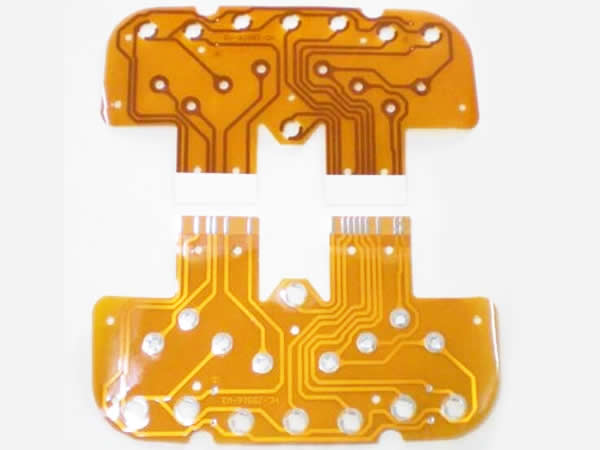
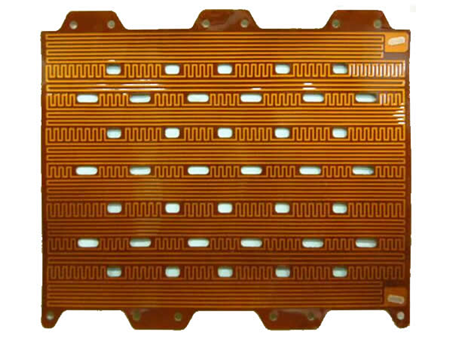
A PET flexible PCB is a transparent circuit board made of polyester material and flexible copper foil, with PET serving as the base, insulation, and coverlay material for the entire board. Unlike rigid circuit boards that restrict design geometry to flat planes, PET flexible PCBs bend, twist, and fold — enabling engineers to integrate electronic functionality into curved surfaces and confined spaces previously inaccessible to traditional PCB architectures.
The material science behind PET (polyethylene terephthalate) is well-established in the packaging and textile industries, but its emergence as a flexible circuit substrate represents a significant shift in how U.S. design engineers approach cost-constrained, high-volume electronics projects. PET offers a combination of properties that make it uniquely suited to specific application categories: transparency up to 85%, flexibility, lightweight construction, food safety, biosafety, and recyclability.
A PET flex PCB can accommodate 1 to 6 circuit layers depending on design complexity. However, it‘s crucial to understand that PET flexible PCBs can’t withstand high temperatures — their continuous operating range is typically -25°C to +75°C, and reflow soldering must be conducted at low temperatures below 150°C using specialized SnBi alloy solder paste with a 138°C melting point or conductive adhesive.
This temperature limitation is not a flaw — it's a design tradeoff that unlocks a 30-40% cost reduction compared to polyimide alternatives. For U.S. engineers developing consumer electronics, disposable medical sensors, RFID tags, membrane switches, and large-format antennas where thermal exposure is minimal, PET represents the economically rational substrate choice.
The global flexible PCB market was valued at approximately 24.57billionin2024andisprojectedtogrowataCAGRof7.324.57billionin2024andisprojectedtogrowataCAGRof7.343.98 billion by 2033. Within this expanding market, PET-based flex circuits are capturing an increasing share of consumer electronics, medical wearables, and IoT antenna applications — segments where cost efficiency and high-volume manufacturability outweigh extreme thermal performance requirements.


 0755-27847787
 sales@kingdreampcb.com


 +86-755-27847787
 sales@kingdreampcb.com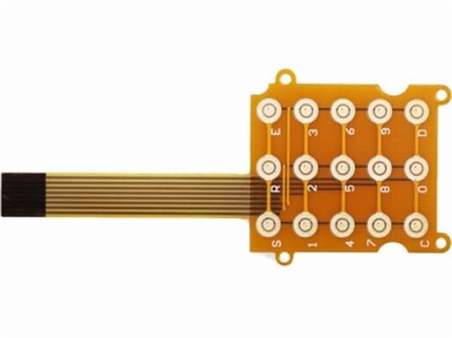

 Follow Us
 0755-27847787
  E-mail